Table of Contents
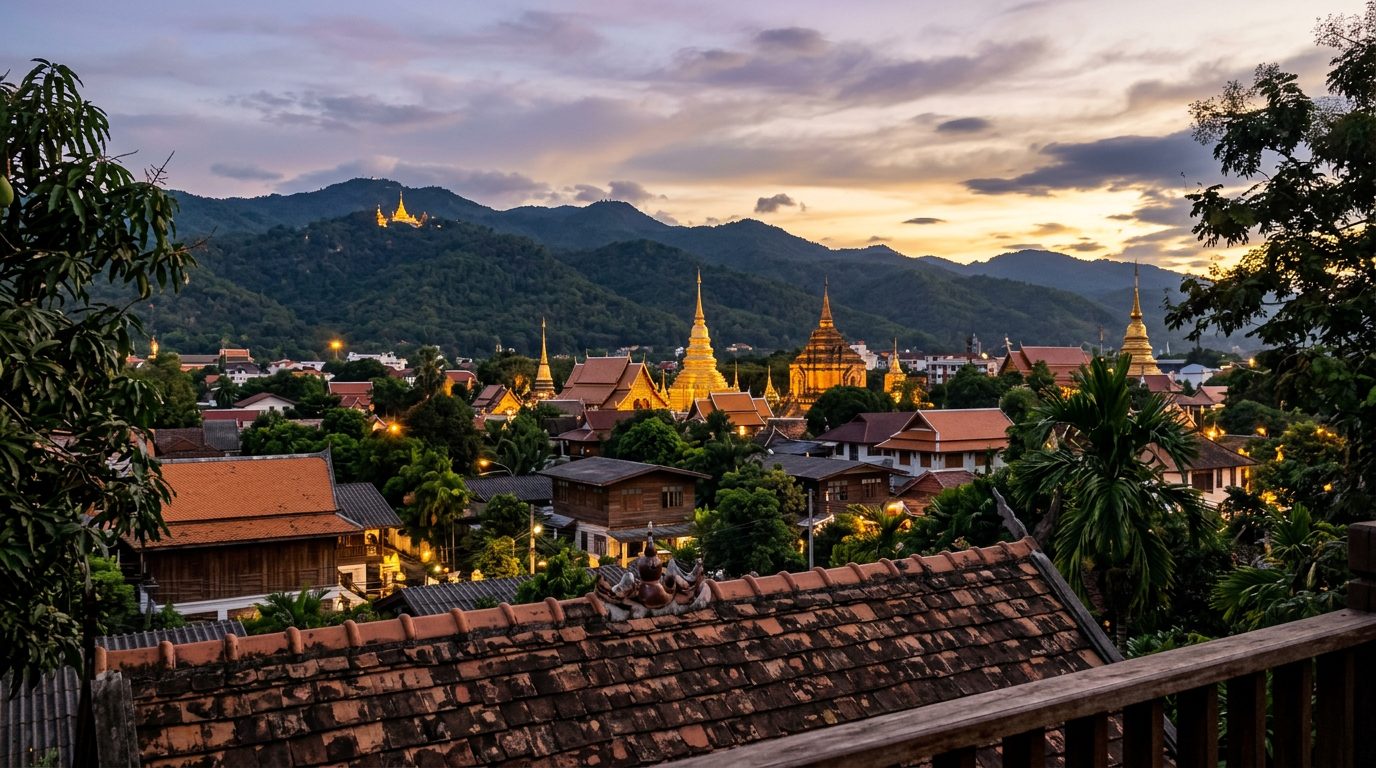
Chiang Mai rewards getting the neighbourhood right more than most Thai cities, because it has no urban rail to rescue a bad choice. Pick the wrong side of town and you will spend the trip in the back of a red songthaew. Pick well and you will barely need one.
This guide is about that decision — which of the three areas suits you, and which verified hotels sit in each. It does not cover what to do once you are here; that is a separate question with a separate answer.
Disclosure: This article may contain affiliate links. If you make a booking through one of these links, we may earn a commission at no additional cost to you.
Information last verified: 26 July 2026. Hotel facilities, availability and seasonal pricing change often; treat every figure here as approximate and confirm directly with the property before you book.
Quick answers
- First visit, want to walk everywhere? Stay in the Old City, inside the square moat.
- Want cafes, design and modern comfort? Stay in Nimman, and accept more spread and higher prices.
- Want quiet, space and a view? Stay on the riverside along the Ping, and expect to ride rather than walk.
- Chiang Mai has no metro or SkyTrain. Walking, red songthaews and ride-hailing apps are the whole system, which is why the area decision matters so much.
- Travelling November to February? Book two or more months ahead. Peak-season rates run roughly 30–50% above low season and rooms fill early, according to Chiang Rai Times, checked July 2026.
The three areas at a glance
| Old City | Nimman | Riverside | |
|---|---|---|---|
| Walkability | High — flat, compact, inside the moat | Moderate — spread out along and off one long road | Low — you will ride into town |
| Character | Temples, lanes, guesthouses, walking-street markets | Cafes, design shops, malls, nightlife | Quiet, green, colonial and Lanna buildings on the water |
| Price direction | Widest range, cheapest entry point | Highest, and rising | Mid to high, concentrated in boutiques |
| Noise | Moderate; busy at market times | Highest | Lowest |
| Best for | First-timers, walkers, temple access | Cafe culture, longer stays, modern rooms | Couples, quiet, a room with a view |
Area characteristics for the Old City and Nimman per Chiang Rai Times, checked July 2026. Riverside positioning derived from the verified addresses of the properties below.
Why does the area matter more in Chiang Mai than in Bangkok?
Chiang Mai has no urban rail system. There is no metro, no SkyTrain, no line to fall back on when your hotel turns out to be further from things than the map suggested. Moving around means walking, flagging a red songthaew, or opening a ride-hailing app. That makes “central” a much narrower idea here than it is in a city with rail.
The practical consequence: the walkability column in the table above is the one that will shape your days. In the Old City you can leave the hotel with no plan. In the other two areas you will be arranging transport most times you go out — which is fine if you know it in advance and irritating if you do not.
Where should a first-time visitor stay in Chiang Mai?
The Old City, for most people. It is the area inside the square moat, it holds the densest concentration of temples and accommodation across every price point, and it is the one place in Chiang Mai where walking genuinely works, according to Chiang Rai Times, checked July 2026. It is the standard recommendation for a first visit for good reasons.
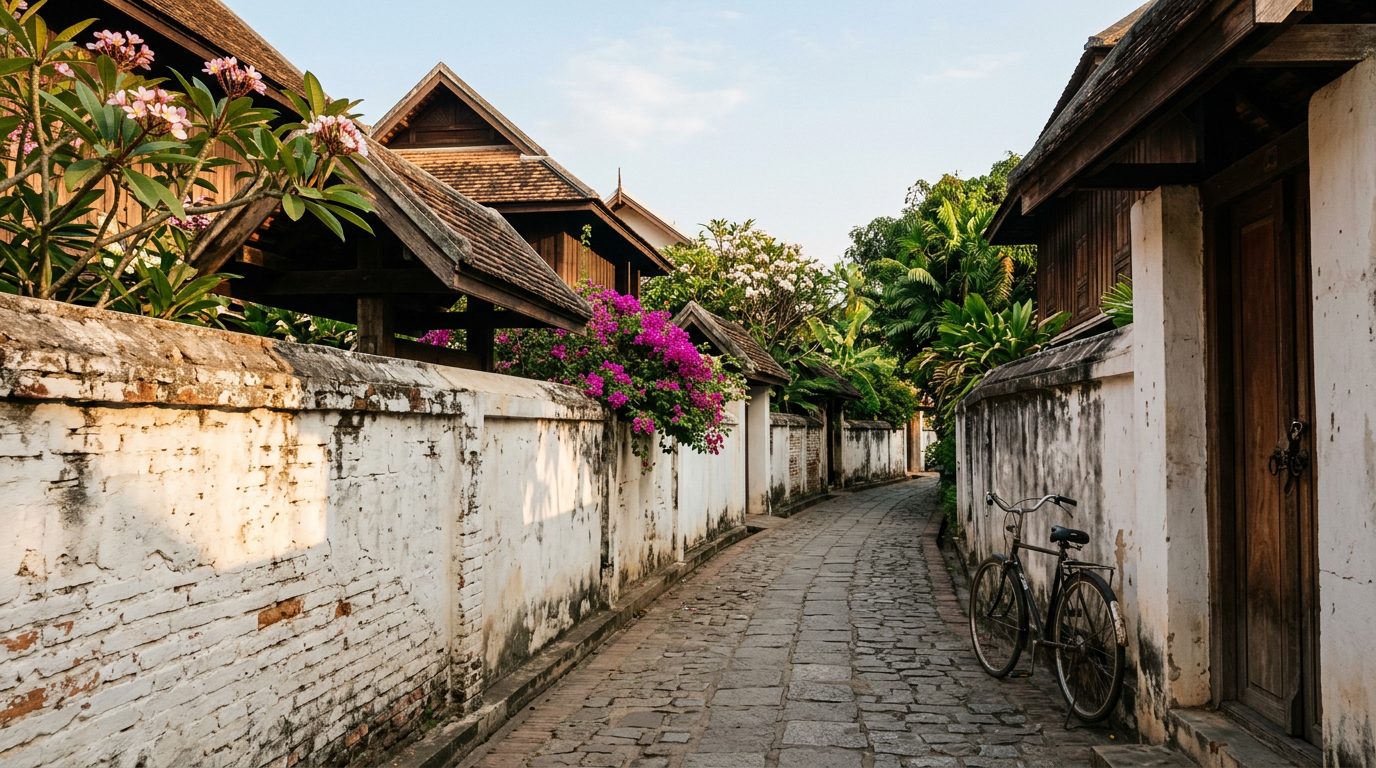
The trade is atmosphere over modernity. Old City hotels tend to be low-rise, older, and built around courtyards rather than lobbies. Rooms are generally smaller than an equivalent price buys in Nimman. If that sounds charming, this is your area. If it sounds like a compromise, read the next two sections.
Verified Old City hotels
Tamarind Village sits in the heart of the historic old town, with 41 guest rooms and 5 suites arranged around flower-filled courtyards. There is a swimming pool and Ruen Tamarind, its Thai and international restaurant, with dining out on the pool terrace. Rooms use Lanna and hill-tribe textiles and hand-carved wood. The hotel puts itself about 15 minutes from Chiang Mai International Airport and 10 minutes from the Night Bazaar.
De Lanna Boutique Hotel Chiang Mai is on Intawarorot Road, inside the moat, near Wat Phra Singh and the Sunday Walking Street. It has 62 rooms and suites — Standard through Deluxe, plus Honeymoon Suites with a jacuzzi — decorated with traditional Lanna handicrafts and natural materials. There is a non-chlorinated outdoor pool and a garden restaurant.
At 62 rooms, De Lanna is one of the larger Old City properties, which matters in practice: the small boutiques sell out first in cool season.
Is Nimman worth the higher price?
Nimmanhaemin — Nimman to almost everyone — is the modern district west of the Old City, built around cafes, design shops, galleries and nightlife. It is more spread out and generally pricier than the Old City, according to Chiang Rai Times, checked July 2026. Whether it is worth it depends on whether you came for temples or for coffee.
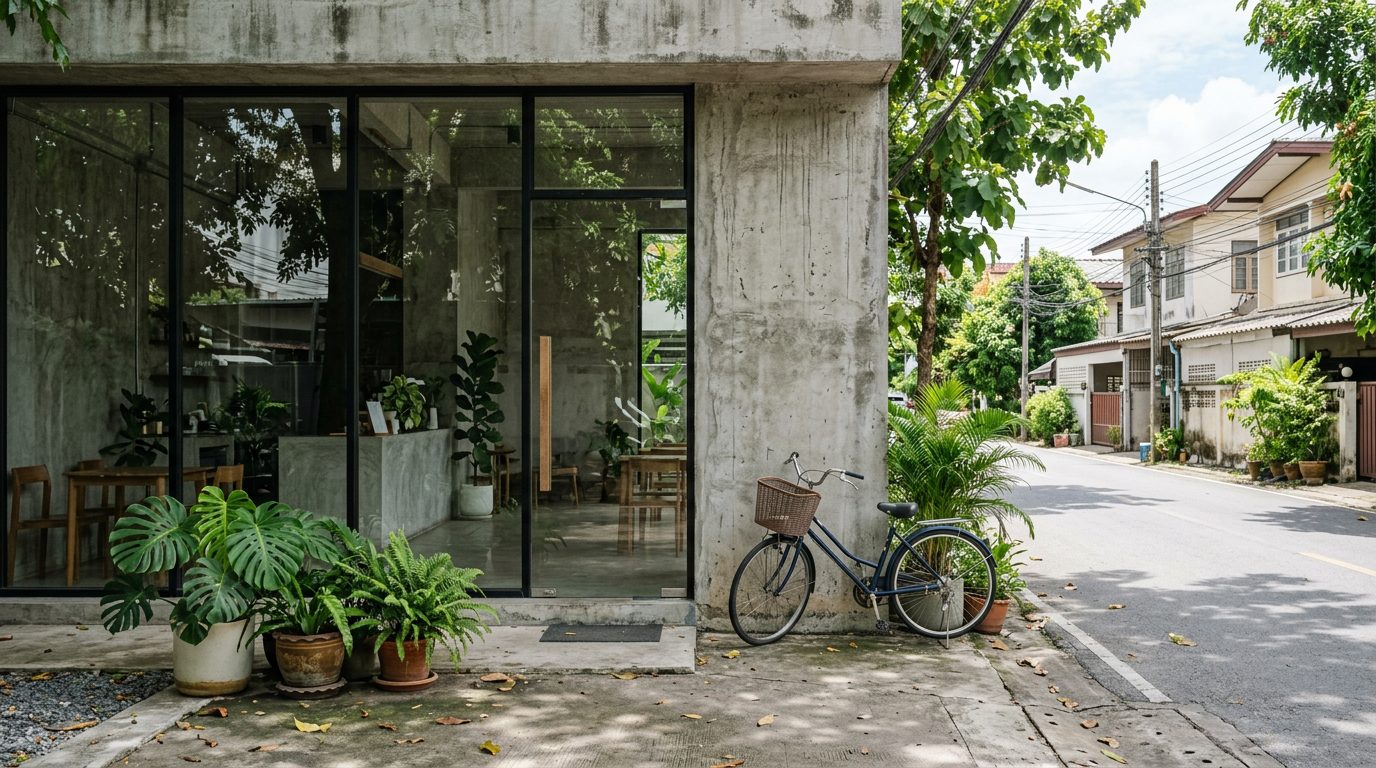
There is a 2026 wrinkle worth knowing. A rise in DTV long-stay visa holders has pushed Chiang Mai landlords toward one-year minimum leases, particularly in Nimman, which has tightened short-stay supply and put upward pressure on hotel prices in exactly the neighbourhood first-timers are most often told to consider, per the same source. If Nimman quotes look higher than you expected against older guides, that is a large part of why.
Nimman still makes sense for a stay of a week or more, for anyone who wants a modern room, and for travellers who would rather spend a morning in a good cafe than at a temple.
Verified Nimman hotels
Nimman Mai Design Hotel is at 2/1 Nimmanhaemin-Sukasem Road, with 56 rooms across eight floors. Each floor takes a Silk Road culture as its theme — Silk Cocoon, Vintage Europe, Gold China, Jewel Morocco, Zen Japan, Tribes Lanna and Thai Rattanakosin. READ Restaurant is on the second floor and The Lobbyist Bar is off the lobby, and the front desk runs 24 hours. Cafes, boutiques, galleries and nightlife are within walking distance.
G Nimman Chiang Mai is in the Nimmanhaemin area, which the hotel describes as steps from local cafes and creative spaces, with Nimmanhaemin Road an easy walk away. Its signature is a circular pool lit by natural light.
Who should stay on the riverside?
The Ping riverside, running through the Wat Ket and Chang Klan areas east of the Old City, is the quiet option. Properties here are low-rise, green and often built around colonial or Lanna architecture, and several sit within a short walk of the Night Bazaar. You give up walkable temple access and gain space, calm and a view.
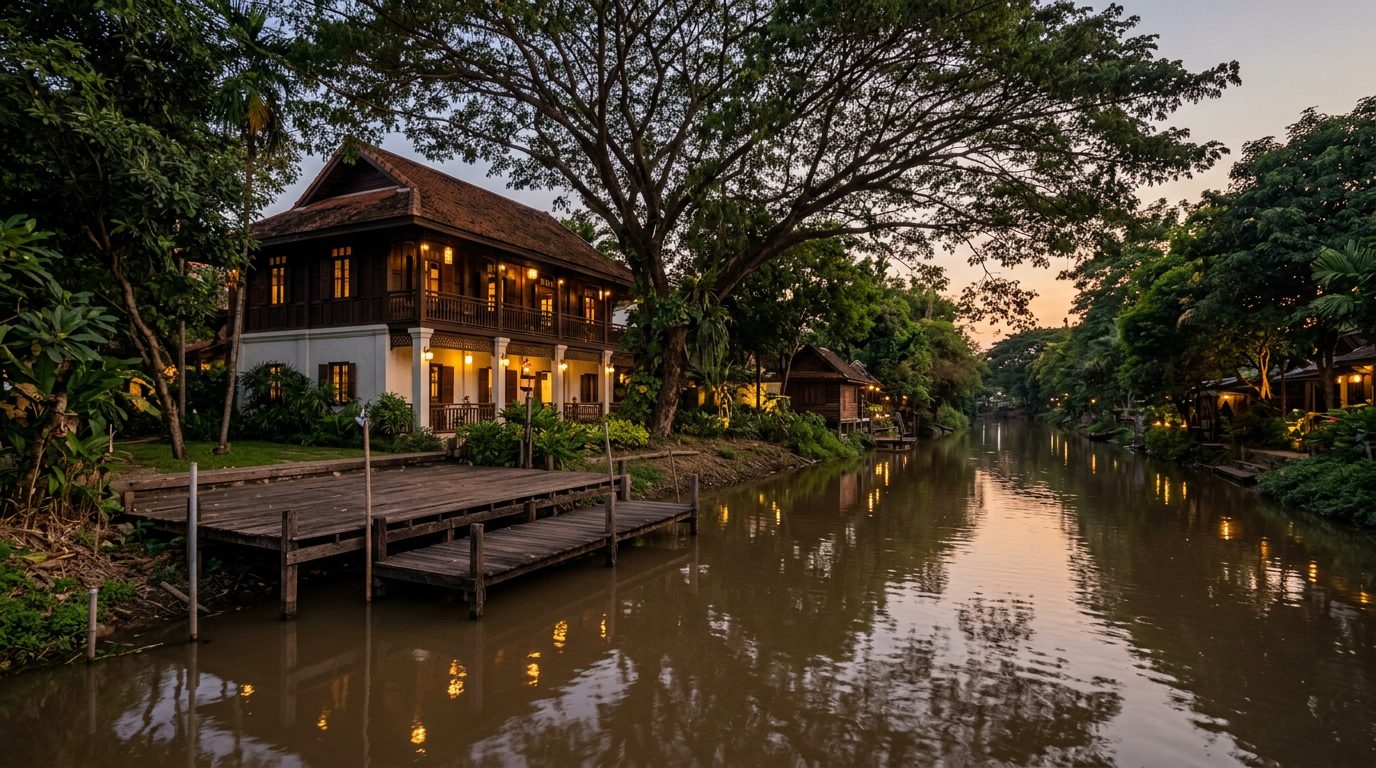
This is the area for couples, for anyone who wants a room worth spending time in, and for travellers who are comfortable ordering a car when they want to go out. It is the weakest choice for a first-timer on a short trip who wants to see a lot on foot.
Verified riverside hotels
137 Pillars House Chiang Mai is at 2 Soi 1, Nawatgate Road in Wat Ket, on the riverside side of the city near the Old City. It is all-suite, in a colonial-era teak heritage building, with categories running from the roughly 70 sq m Rajah Brooke up to the roughly 135 sq m Louis Leonowens with its private pool. There is a swimming pool, a spa and wellbeing facilities, and three places to eat and drink — Palette, The Dining Room and Jack Bain’s Bar.
Na Nirand Romantic Boutique Resort is at 1/1 Soi 9, Charoenprathet Road in Chang Klan, on the Ping River, in Lanna-Colonial style. Room categories run from Romantic Lanna Deluxe up to the Riverfront Colonial Suite. A 100-year-old rain tree stands on the grounds. TIME Riverfront Cuisine and Bar is on the water, the Glasshouse is the rooftop lounge, and there is a spa. It sits centrally between the Night Bazaar and the Old City.
Ping Nakara Boutique Hotel and Spa is at 135/9 Charoenprathet Road in Chang Klan, built in Lanna Colonial style with a room category of the same name and the Nakara Spa on site. The hotel puts itself a few minutes’ walk from the Night Bazaar, the main fresh market and the pier the river cruises leave from.
What about the other areas?
Three areas cover almost every first visit, but you will see others named while booking, so here is why they are not in the comparison above.
Chang Klan and the Night Bazaar strip is not really a separate choice — it is the southern end of the riverside area, and two of the properties above sit on Charoenprathet Road within it. If a listing says “Night Bazaar”, read it as riverside with more street noise.
Tha Phae is the eastern edge of the Old City, just outside the moat gate. Functionally it behaves like the Old City with slightly more traffic, and hotels there are a reasonable substitute when the moat interior is full.
Santitham sits between the Old City and Nimman and is cheaper than either. It is a residential area rather than a visitor one, which suits longer stays and does not suit a short first trip.
Hang Dong, Mae Rim and San Kamphaeng are outside the city. The resorts there are often excellent and none of them work without a car or daily transfers — a different kind of trip, and outside the scope of this guide.
None of these were verified as accommodation recommendations for this article, so no properties in them are named here.
Which one suits you?
| If you… | Stay in | Consider |
|---|---|---|
| Are visiting for the first time and want to walk | Old City | Tamarind Village, De Lanna |
| Want a courtyard and Lanna character | Old City | Tamarind Village |
| Need availability in peak season | Old City | De Lanna — 62 rooms |
| Came for cafes and design | Nimman | Nimman Mai Design Hotel, G Nimman Chiang Mai |
| Want a themed, modern room | Nimman | Nimman Mai Design Hotel |
| Want space, heritage and a suite | Riverside | 137 Pillars House |
| Want the river and quiet | Riverside | Na Nirand |
| Want the river but also the Night Bazaar on foot | Riverside | Ping Nakara |
When should you book?
For November to February, two or more months ahead. Peak-season rates run roughly 30 to 50 percent above low season and inventory fills weeks to months in advance, according to Chiang Rai Times, checked July 2026. That advice is not padding — a reader arriving in November who starts looking in October will be choosing from what is left.
Outside those months the pressure comes off and you can book much closer in. If your dates are flexible and the budget matters more than the weather, the shoulder months either side of peak give you the same city for noticeably less.
Practical tips
- Check what is actually walkable from the door, not what is nearby on a map. Chiang Mai’s blocks are longer than they look and the heat is real outside the cool season.
- Small boutiques sell out first. If your dates are fixed in peak season, larger properties are the safer bet.
- Nimman quotes may look high against older guides. The long-stay rental squeeze described above is part of the reason.
- Ask about airport transfer when you book. There is no rail link, so this is worth settling before you arrive.
- Riverside means ordering a car most evenings. Budget for it, in time as much as money.
- On entry rules: in July 2026 the Thai cabinet approved reducing visa-free stays to 30 days and trimming the eligible list to 59 countries and territories, according to TAT Newsroom. As of 26 July 2026 the change had not taken effect — it applies 15 days after publication in the Royal Gazette. Check your own nationality’s current entitlement before booking.
Frequently asked questions
Which area of Chiang Mai is best for first-time visitors?
The Old City, inside the square moat. It has the widest range of accommodation, the highest concentration of temples, and it is the one area where walking genuinely works. Nimman suits cafe-driven trips and longer stays, and the Ping riverside suits couples who want quiet and are happy to ride into town.
Is it better to stay in the Old City or Nimman?
Old City if you want to walk out of the hotel and be somewhere. Nimman if you want a modern room, good coffee and shopping, and do not mind arranging transport. Nimman is generally pricier and more spread out, according to Chiang Rai Times, checked July 2026, and 2026 long-stay demand has pushed short-stay prices there higher still.
Does Chiang Mai have a metro or SkyTrain?
No. Chiang Mai has no urban rail at all. Getting around means walking, red songthaews or a ride-hailing app. That absence is the single biggest reason the neighbourhood you pick shapes the trip more here than it would in Bangkok.
How far ahead should I book a Chiang Mai hotel?
Two or more months for November to February, when rates run roughly 30–50% above low season and rooms fill weeks to months ahead, according to Chiang Rai Times, checked July 2026. Outside peak season a few weeks is usually enough, and shoulder months give you the same city for less.
Is the riverside too far from everything?
Not far, but not walkable to the Old City. Properties in the Chang Klan stretch, including Ping Nakara and Na Nirand, put themselves within a short walk of the Night Bazaar, while Wat Ket sits across the river from the centre. Plan on ordering a car for temple days.
Which Chiang Mai area is quietest?
The riverside. It is low-rise and green, and the verified properties there are built around courtyards, gardens and the water rather than street frontage. Nimman is the noisiest of the three; the Old City sits in between and gets busy around market times.
Can I stay in the Old City on a budget?
Yes — the Old City has the widest price range of the three areas and the cheapest entry point, according to Chiang Rai Times, checked July 2026. Budget rooms there are small and simple, but the location does more work for you than a bigger room further out would.
Final thoughts
The honest summary: the Old City is the right answer for most first visits, Nimman is the right answer if you know you came for cafes rather than temples, and the riverside is the right answer if quiet and a view matter more than walking. None of them is wrong — they are just different trips.
Whatever you choose, book early for the cool season and check what is genuinely walkable from your door. Once the base is settled, our guide to the best things to do in Chiang Mai covers the rest. Heading further north afterwards, the Pai travel guide picks up where this leaves off, and if Chiang Mai is one leg of a longer trip, sort out the Bangkok end with our Sukhumvit hotel guide or plan a cool-season detour with the Khao Yai weekend guide.
Image note: Editorial images in this article are generated with AI for illustration. They depict generic northern Thai city, temple, cafe-street and riverside scenes and do not represent any specific named hotel, room or building.
Leave a Reply